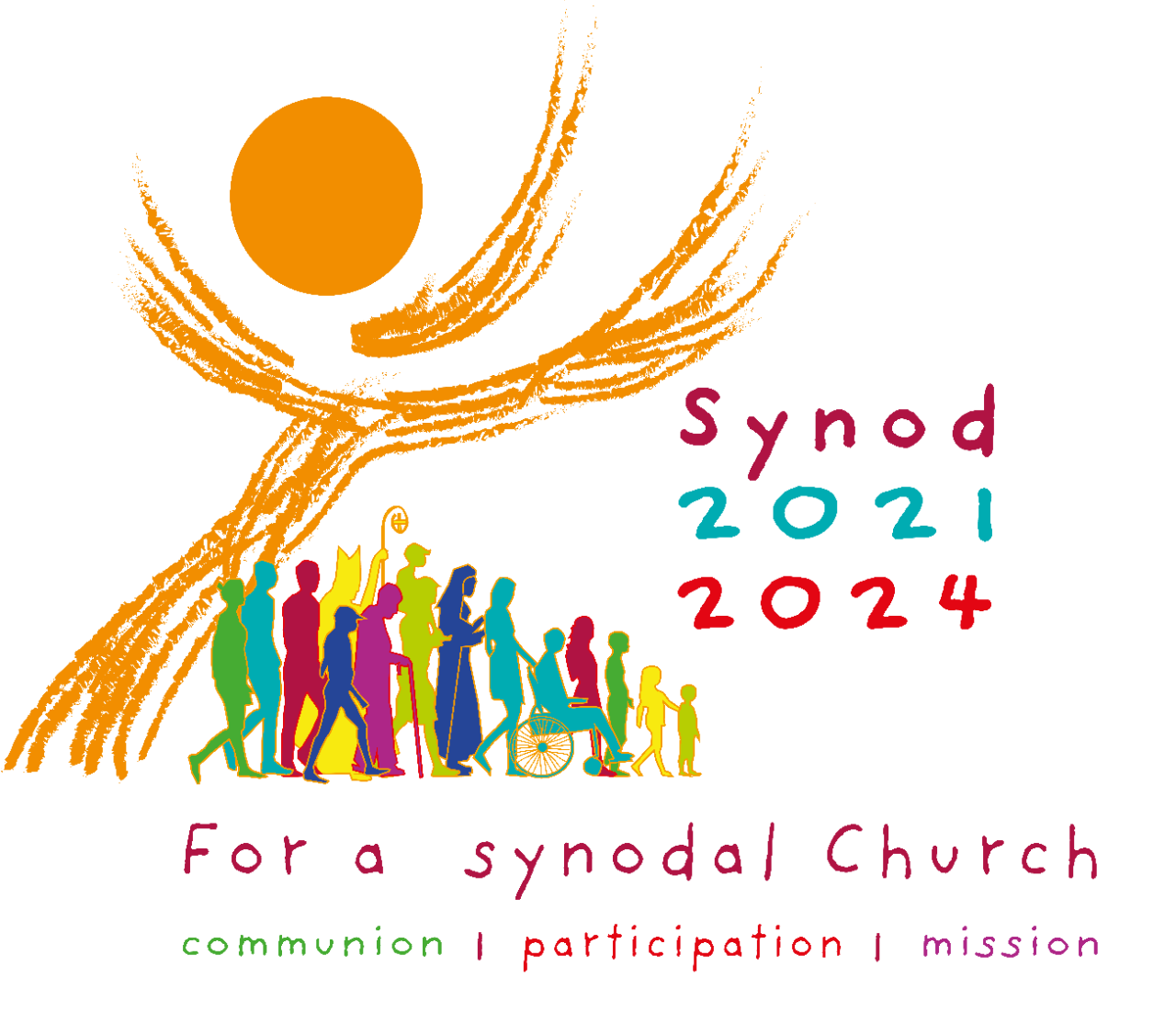
The Synod on Synodality has ended, and it ended, not with a bang, but a wimper.
What were the original goals of the Synod on Synodality? This from the Vatican website on the Synod:
“This Synod is intended as a Synodal Process. The aim of this synodal process is not to provide a temporary or one-time experience of synodality, but rather to provide an opportunity for the entire People of God to discern together how to move forward on the path towards being a more synodal Church in the long-term.”
That rather sounds like defining “a synodal Church” as being “a Church that is synodal.” Much of the language of the website sounds like it was written by Catholic social activists who never got out of the sixties or seventies. I can almost hear the guitars, tamborines, and St. Louis Jesuits as I read it.
I don’t mean to disparage the goals of the Synod on Synodality, because I think the original goals were well intended. As the website says: “In a synodal Church the whole community is called together to pray, listen, analyse, dialogue, discern and offer advise on making pastoral decisions which correspond as closely as possible to God’s will.” That sounds like the Church, rather than simply relying on bishops and priests to make the big decisions on how the Church will carry out her mission, invites the insights, ideas, and perspectives of all the people, the people in the pews especially. Good.
Did the Synod succeed in this? I don’t think so. Why? Because while the intent of the Synod was to engage all the faithful in the pastoral decisions of the Church, especially at the local level – decisions such as how the Church can best reach out to the marginalized and to non-Catholics, how the Church can best use her resources to spread the Good News of Jesus Christ in any particular diocese or nation, how the Church can organize herself to address the spiritual and social (and even the economic and political) needs of the faithful – the Synod was quickly hijacked by those who regarded critical matters of faith and morals that the Church has taught for centuries as open to change according to contemporary cultural, social, and political currents. And the leadership of the Synod allowed them to dominate the discussions. That is, until Pope Francis put his foot down (finally!) and took many of these contentious issues off the table for the last session, much to the dismay of those who thought they could exploit the Synod to push their agenda. The question of women deacons, for instance, was relegated to a committee to study the question. That’s a death sentence if ever there was one.
I suspect Pope Francis is disapppointed with the outcome. I’ve not read the final document approved by the Synod. When I looked on the official website, it said it is only available in Italian for now. I don’t read Italian. But the goal to create a more synodal Church lost traction in all of the talk about those blasted contentious issues certain “progressive” Catholics demand be addressed by the Church, but only if addressing means approving. That is not going to happen. Progressives may believe that they are on the right side of history, and that the majority of Catholics demand these changes – ie: women priests (or, at least deacons), married priests, and a re-defining of the Church’s two millennia old moral teaching on sexuality to include committed homosexual relations as being consistent with God’s will for married life.
The fact is, these positions are only supported by a relatively small cohort of Catholics led by intellectuals, academics, and activists in the West. The bishops and activist lay folk in Germany may have thought they were going to spark a fire of reform when they exploited the concept of synodality to mean Church doctrine and discipline are determined by democratic vote. That didn’t happen. In fact, the opposite happened. Bishops of other countries told the bishops of Germany that they were on the wrong path and to set themselves strait. Pope Francis himself has attempted to set the German Church on the right path, but as of yet they continue their meandering ways. In any case, while it’s clear that the progressives dominated the Synod on Synodality in numbers, in the press, and likely in their own minds, they failed to achieve the radical reform for which they were hoping.
What impact will the Synod on Synodality have on the Church? My prediction: little if any. There may be a diocese here and there who look at the final document and decide, inspired and led by their bishop, to include other perspectives and voices in the decision-making process of their own diocese, or at least as advisory boards for the bishop. But, on the whole, the structure, organization, and ways of doing things for most dioceses will not change that much. In point of fact, many diocese in the United States, and I suspect in other Western countries, are already implementing some of the ideas and insights of synodality in their local Church. Many diocese have Diocesan Pastoral Councils that serve, not as decision makers, but as advisors to the bishop, sort of as the “ears to the ground” for the bishop, gathering the sense of the faithful on various matters for the bishop to consider. But the decision remains with the bishop.
In my own diocese, our two bishops ago bishop considered building a new cathedral. The cathedral we had at the time was small, being a parish church that was converted into a cathedral when we became a diocese (a very small diocese). The bishop sought the insights and perspectives of the people of the diocese on this matter and others through a series of information-sharing and question and answers sessions held in various parishes. It quickly became clear that the people of the diocese didn’t think we were ready for taking on the project of building a new cathedral. The bishop at the time set it aside and didn’t build a new cathedral. His successor did, without consulting the insights and perspectives of the people of his diocese. So, we have a beautiful new cathedral, but we still have more than a few people who thought the decision-making process was not proper and the cost of the cathedral itself was more than our small diocese could manage (though I understand that the new cathedral is entirely paid for). Two bishops with two different thoughts on synodality. Also, the first bishop created a Diocesan Pastoral Council (on which I served) and took it seriously. His successor squashed it.
Synodality on some level is possible if any particular bishop desires to go the route of synodality. There is nothing from the Synod on Synodality, as I understand, that requires such of any bishop. The bottom line is: a diocese will be governed according to the style of its bishop. That was the bottom line prior to the Synod, and will remain so after the Synod. That’s not necessarily a bad thing, if popes give us good bishops. Pray for good bishops. Pray for those who are already bishops, that they’ll be good bishops. Synodality is wonderful, but it is not the same thing as democracy, and ought not be. The Church is not a democracy when it comes to matters of faith and morals necessary for our salvation, and it ought not be. What is necessary for our salvation is God’s revelation to us, and that has been given to us already. It is not for us to vote on it or re-consider it. It is for us to embrace it wholeheartedly, and follow it with our whole hearts, minds, and souls.
Be Christ for all. Bring Christ to all. See Christ in all.
 Thoughts and Prayers for the Faithful
Another home run, brother!
LikeLiked by 1 person