Today, January 1, 2025, is the Solemnity of Mary, Mother of God.
The title “Mother of God” for Mary, is controversial for Protestant Christians and is the cause of some tension between Catholics and Protestants. This is unfortunate, for their is nothing about the title that ought to cause controversy or tension. The logic is simple: Jesus is God. Mary is Jesus’ Mother. Mary, then, is the Mother of God (Jesus). The controversy for Protestants over the title seems to lie in the misunderstanding that, by calling Mary “Mother of God” Catholics are somehow identifying Mary as the cause, or “mother,” of Jesus’ divinity. This is not the case, however. Catholics are simply acknowledging that Jesus is fully divine, while also fully human. The child that was born into the world via Mary is God incarnate, the living God of the universe, mighty and sovereign over all creation, and Savior of the world. Mary is not the reason Jesus is God. Mary is simply the vessel chosen by God through whom God incarnate would be born. The only way Mary could not be the Mother of God is if Jesus is not God. But Jesus is God, and Mary is His Mother.
There was a time in the Church when others protested the title “Mother of God.” Nestorius was the Bishop of Constantinople from 428-431. He opposed calling Mary “Mother of God” (theotokos, or God-bearer in Greek). Instead, Nestorius proposed calling Mary “Christ-bearer” (christotokos). Nestorius’ reasoning was that Jesus had two separate natures, one human and one divine, and that Mary was the mother of only His human nature because Jesus was born only according to His humanity, and not His divinity. This, in the eyes of orthodox Fathers of the Church, seemed like Nestorius was implying two separate persons for Jesus, one human and one divine. Instead, at the Council of Ephesus in 431, the council fathers rejected Nestorius’ view, proclaiming that Jesus had two natures, one human and one divine, in a full and perfect hypostatic union. This meant that there is no confusion between Jesus’ human and divine natures, and that the child born to Mary was fully divine, as well as fully human. Therefore, God incarnate was born of Mary, so she is rightly called Mother of God, a title that the Council of Ephesus confirmed.
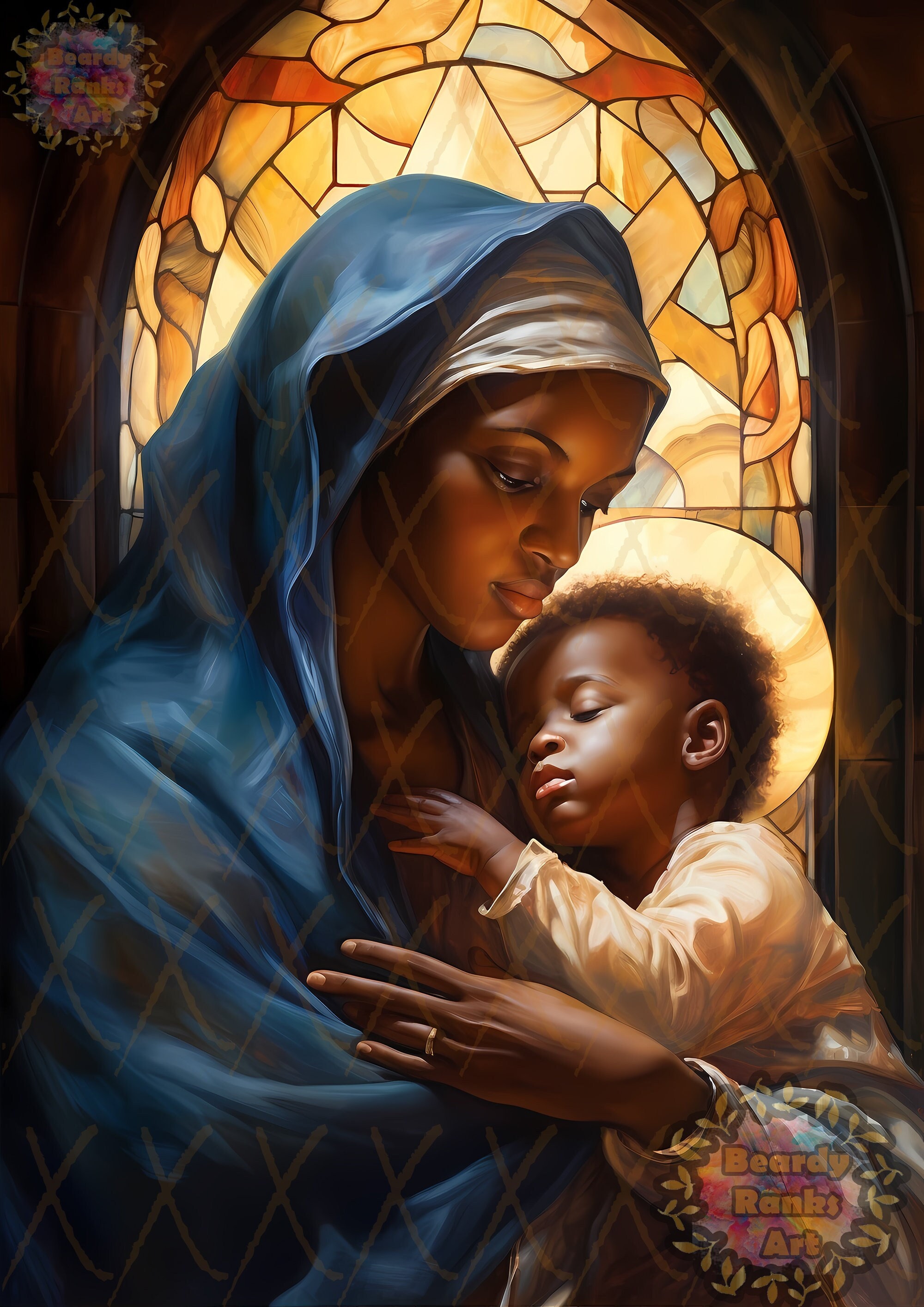
What does it mean to say that Mary is Mother of God? It means that she is the one who carried Jesus in her womb, making her the first tabernacle to hold the Real Presence of Christ. It means that she brough forth this child, offering herself as God’s vessel for making the Incarnation a reality. It means that she raised Jesus, taught Him how to be a good child, an obedient child, a child who would do anything for His Father in heaven. It means she also proteced Jesus, comforted Him, nursed Him, sent Him out to play with His childhood friends, prepared meals for Him, sewed His clothing, nursed His wounds, cut His hair, and did all those things mothers do for their children. It also means she let Him go when His time came. Besides Jesus Himself, no one suffered as much as Mary. She watched her Son live a life of perfect obedience to the will of the Father, even initiating His earthly ministry (John 2:5), and watched as that life lived in perfect obedience led Him to the cross because the world would not tolerate such a life. She held Him after they brought His dead body down from the cross, and she wept over Him. Her Immaculate Heart was pierced with the grief of a Mother whose Son had become the sacrifice by which she and all humankind were saved from the chains of sin.
Wait! Mary was saved from the chains of sin? How could that be? Mary is the Immaculate Conception. She was preserved from orginial sin by a singular grace from God. She did not sin, so how can we say that she was saved by Jesus from the chains of sin? Because the grace God applied to Mary to preserve her from original sin was the grace won by Jesus on the cross. God is eternal. He does not exist in time. Jesus is God, so He is eternal, and does not exist in time, but in an eternal realm. So, the grace won by Jesus on the cross is available to God eternally. Therefore, He can apply that grace to Mary, preserving her from orginal sin even before Jesus hung on the cross in this temporal realm.
Because Mary is Jesus’ Mother, she is our Mother, too. Jesus gave her to us from the cross when He gave her to John as his mother (John 19:26-27). In giving Mary to John, Jesus gave Mary to the whole Church. She is our Mother, too. Just as she cared for Jesus as He grew in wisdom and age and favor before God and men (Luke 2:52), so she cares for us as we grow in our faith and in our relationship with her Son. How could she not? How could any good mother not care for the friends of her child? But we are more than Jesus’ friends. We are His sisters and brothers. Anyone who hears the word of God and acts on it is Jesus sister and brother (Luke 8:21). If we are Jesus’ sisters and brothers, then we are Mary’s children, also. She loves as as her own. We love her as our Mother.
Holy Mary, Mother of God, pray for us sinners, now and at the hour of our death.
Be Christ for all. Bring Christ to all. See Christ in all.

